

Dancing Modernity: Popular Jewish Music in Interwar Poland and Lithuania
|
Max Weinreich Fellowship Lecture in Polish Jewish Studies
The Aleksander and Alicja Hertz Memorial Fellowship and the Samuel and Flora Weiss Research Fellowship Admission: Free |
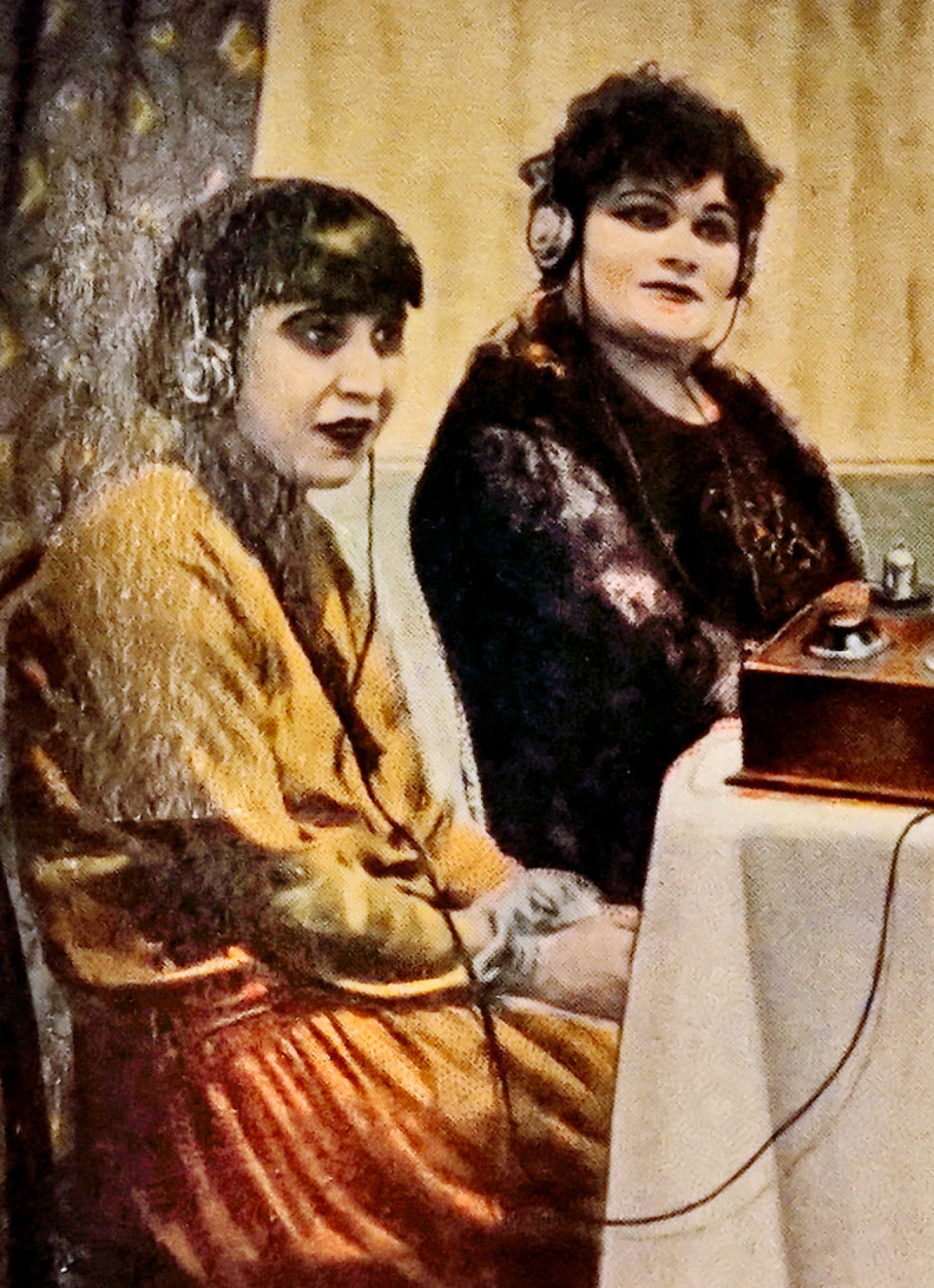
The early twentieth century brought a profound redefinition of everyday life. Accelerating modernization and political stratification increasingly divided society. Surprisingly, one modern phenomenon seduced nearly everyone: popular music. Regardless of political views or language (Yiddish, Polish, Lithuanian, or Hebrew), people of all kinds were lured by dance parties, musical theater, and the latest records. All of this was broadcast daily on the radio, captivating millions of listeners.
This presentation by Tomasz M. Jankowski invites you to explore the shared Jewish, Polish, and Lithuanian musical heritage and to listen to original recordings from the 1930s. Jews were involved in almost every step of the production process. Not only were many of the best interwar performers of Jewish origin, but composers, lyricists, and record label owners were as well. Artists succeeded in creating a trans-ethnic culture in which personal background lost its limiting significance. Popular genres, like Tango, Foxtrot and Boston, transcended national boundaries, traveling to and from Buenos Aires, New York, Paris, Warsaw and Kaunas. Popular dance music promised social emancipation and a temporary escape from everyday worries. It offered the hope that the future could be shared like a dance floor.
About the Speaker
Tomasz M. Jankowski is a postdoctoral researcher at the Center for Eastern European Jewish History at Vilnius University in Lithuania. He is interested in Jewish social entanglements in east-central Europe from the late 18th to the early 20th centuruies. His research ranges from family history and demography to popular music. Jankowski has published two books: Hebrew Polish Tango (Polin Museum, 2019) and Demography of a Shtetl (Brill, 2022). He has also been involved in documenting Jewish heritage for several institutions, including UNESCO.