

Russian Lessons on Antisemitism
|
YIVO-Bard Winter Program Keynote Lecture
Admission: Free |
A wit once suggested that antisemitism is the only product that Russia has ever been able to export reliably without creating a shortage at home. Russia's literary and intellectual history offers a particularly revealing lens through which to examine antisemitism. Dostoevsky’s antisemitism, for example, raises the question of how someone whose greatest value was compassion could wind up writing articles useful to Nazis. The world is still contending with the influence of the most widely circulated of all Russian documents, The Protocols of the Elders of Zion. A broader question about the nature of persecution emerges in Vasily Grossman’s novel, Life and Fate, which asks why victims of persecution—not only Jews—sometimes not only fail to resist it, but also even endorse and work for it.
Using his understanding of Russian culture, Gary Saul Morson will shed light on what these examples can teach us about the historical roots and contemporary manifestations of antisemitism.
About the Speaker
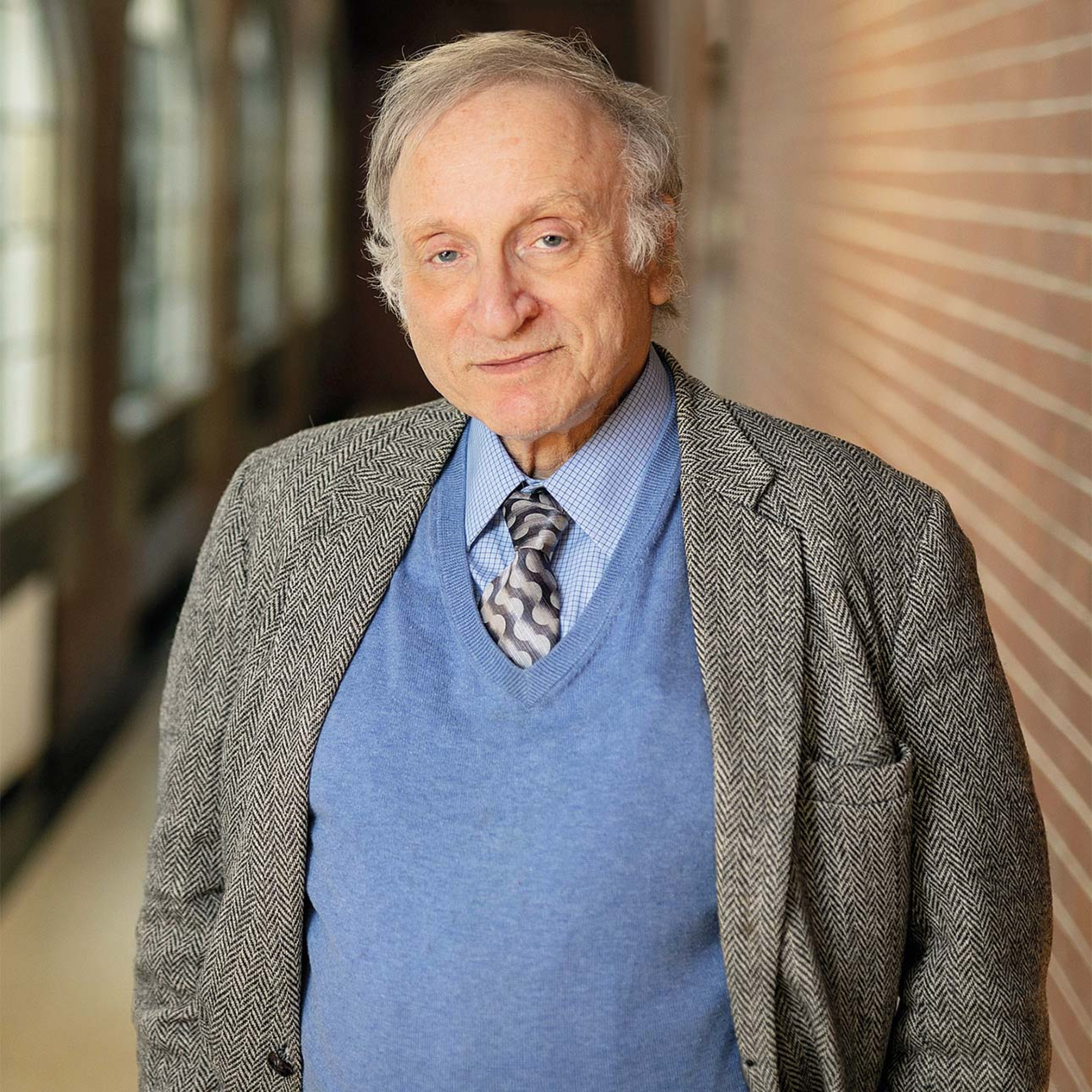
Gary Saul Morson is the Lawrence B. Dumas Professor of the Arts and Humanities and Professor of Slavic Languages and Literatures at Northwestern University. His work ranges over a variety of areas: literary theory (especially narrative); the history of ideas, both Russian and European; a variety of literary genres (especially satire, utopia, and the novel); and his favorite writers—Chekhov, Gogol, and, above all, Dostoevsky and Tolstoy. He is especially interested in the relation of literature to philosophy.